

Bacterial Endotoxin Testing: Methods, Limits, and Suitability
The Bacterial Endotoxins Test, commonly abbreviated BET, detects or quantifies bacterial endotoxin from Gram-negative bacteria. BET is used for pharmaceutical products, biological products, raw materials, process intermediates, water, medical-device extracts, and other samples for which an endotoxin requirement has been established.
A valid BET requires more than a suitable reagent and a passing instrument result. The laboratory must establish:
- A scientifically justified endotoxin limit
- A test method capable of detecting that limit
- A maximum valid dilution
- Suitable sample preparation and handling
- Absence of unacceptable inhibition or enhancement
- Valid standards and controls
- Predefined rules for invalid tests, retesting, and investigations
BET does not test for viable microorganisms, sterility, or every possible pyrogen. The relationship among viable organisms, bacterial endotoxin, sterilization, and depyrogenation is explained in Pyrogens and Bacterial Endotoxins in GMP Manufacturing.
Testing verifies that a sample meets its established limit. It does not replace the preventive controls described in the Endotoxin Control Strategy for Sterile Manufacturing.
Regulatory and Compendial Basis
BET programs should consider:
- USP
<85>Bacterial Endotoxins Test - USP
<86>Bacterial Endotoxins Test Using Recombinant Reagents - USP
<1085>Guidelines on Tests for Endotoxins - USP
<161>Medical Devices—Bacterial Endotoxin and Pyrogen Tests, where applicable - Relevant product monographs
- FDA Pyrogen and Endotoxins Testing: Questions and Answers, Edition 2
- FDA Bacterial Endotoxins/Pyrogens technical guidance
- Applicable approved marketing applications and product specifications
USP<86> became official in May 2025 and describes BET techniques using recombinant Factor C and recombinant cascade reagents. Unless otherwise specified in an applicable monograph, these techniques are treated as alternative procedures under USP General Notices. The user must review the supplier’s validation package and verify that the selected method is suitable for the specific material or product.
FDA’s March 2026 guidance revision accommodates a broader use of recombinant reagents and states that sponsors using them should verify that the assay is suitable for its intended purpose.
Principle of the Test
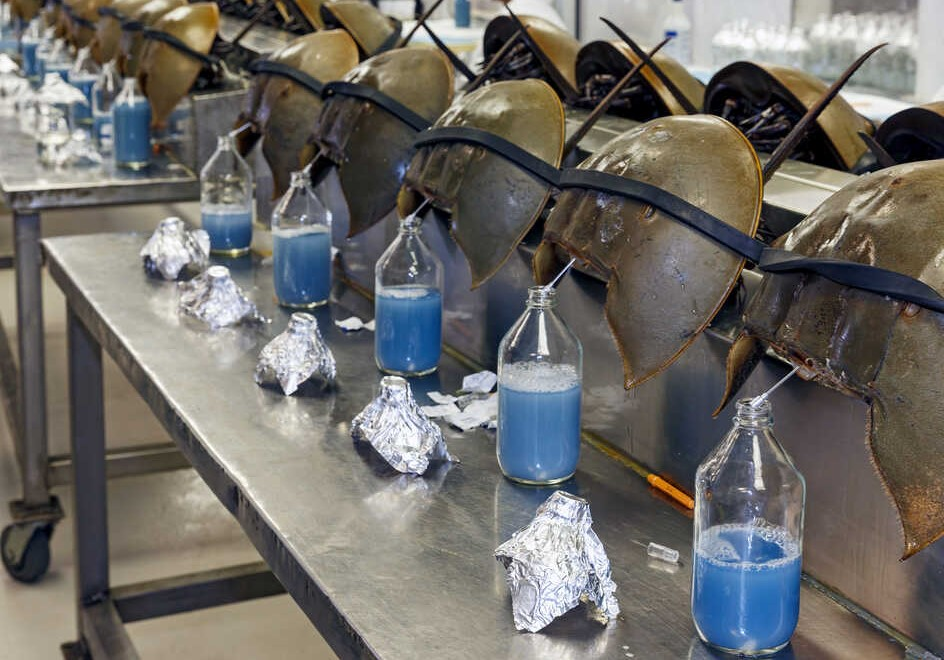
Traditional BET methods use Limulus amebocyte lysate, abbreviated LAL, derived from horseshoe-crab amebocytes. Endotoxin activates an enzymatic cascade within the lysate. The biological origin of traditional LAL reagents is relevant to understanding the test principle. Recombinant BET methods reproduce selected components of the endotoxin-sensitive reaction without using animal-derived lysate.
The principal reaction sequence is:
- Endotoxin activates Factor C.
- Activated Factor C activates Factor B.
- Factor B activates the proclotting enzyme.
- The resulting clotting enzyme produces a measurable reaction.
The cascade amplifies the initial endotoxin response through successive enzymatic activation. The final measurable endpoint depends on the selected BET method.
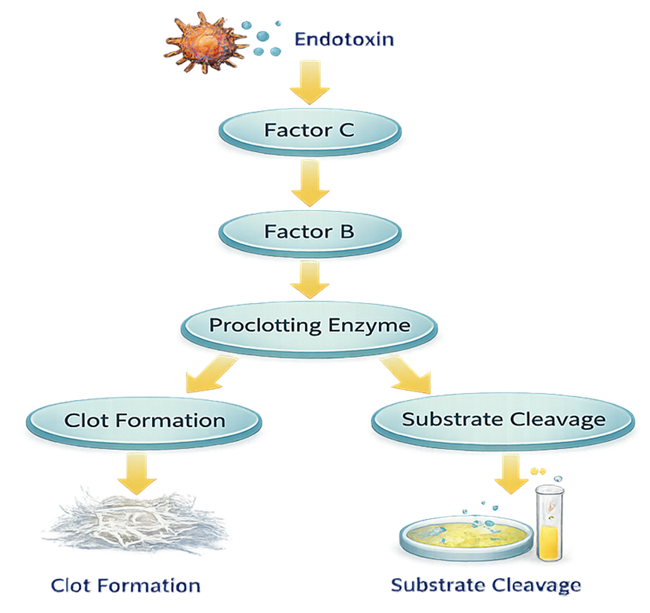
Depending on the method, the reaction produces:
- A firm gel clot
- Increasing turbidity
- Color development following cleavage of a chromogenic substrate
Recombinant methods reproduce the relevant endotoxin-sensitive portion of this reaction using nonanimal-derived reagents. Recombinant Factor C methods measure Factor C activation, while recombinant cascade reagents reproduce multiple stages of the cascade.
Establishing the Endotoxin Limit
The endotoxin limit must be established before the test dilution and method sensitivity can be evaluated. For many parenteral drug products, the limit is calculated as:
Endotoxin limit = K ÷ M , where:
- K = maximum allowable endotoxin exposure per kilogram of body mass for the applicable route of administration
- M = maximum product dose administered per kilogram of body mass during a defined period, generally one hour
For ordinary parenteral administration, USP <85> generally identifies K as 5 EU/kg. For intrathecal administration, K is generally 0.2 EU/kg. These values should not be applied automatically where a product monograph, approved application, special route, radiopharmaceutical requirement, device standard, or other applicable requirement establishes a different approach. The resulting limit may be expressed as:
- EU/mL
- EU/mg
- EU/unit
- EU/device
- EU per unit of biological activity
- Another scientifically justified product-specific unit
Determining M
The maximum dose should reflect the labeled maximum amount that can be administered within the applicable time period. The calculation should consider:
- Route of administration
- Maximum single dose
- Maximum dose per hour
- Patient body mass basis
- Product concentration
- Repeated or continuous administration
- Loading doses
- Multiple containers used for one dose
- Maximum potency, where dose is activity-based
- Pediatric or other sensitive populations, where applicable
- Reconstitution and dilution before administration
Using a typical dose instead of the maximum permitted dose can produce an endotoxin limit that is insufficiently protective.
Example of a Concentration-Based Limit
Assume:
- K=5 EU/kg
- Maximum dose M=2 mL/kg per hour
Then: Endotoxin limit = 5 EU/kg ÷ 2 mL/kg = 2.5 EU/mL
The product limit would therefore be 2.5 EU/mL unless another applicable requirement establishes a more stringent limit.
The calculation record should document the source of the dose, the selected value of K, all unit conversions, and the final specification.
Maximum Valid Dilution
The maximum valid dilution, abbreviated MVD, is the greatest dilution at which the analytical method can still detect endotoxin at the product’s established limit.
For a liquid product with an endotoxin limit expressed in EU/mL: MVD = Endotoxin limit ÷ λ, where:
- MVD = maximum valid dilution
- Endotoxin limit = allowable endotoxin concentration in the undiluted product
- λ = labeled reagent sensitivity for gel-clot methods or the lowest standard-curve concentration for quantitative methods
When the endotoxin limit is expressed relative to mass, potency, or another product unit, the sample concentration must be included:
MVD = Endotoxin limit × sample concentration ÷ λ
All units must be compatible before the calculation is performed.
MVD Example
Assume:
- Product endotoxin limit = 2.5 EU/mL
- Method sensitivity λ = 0.05 EU/mL
Then: MVD = 2.5 ÷ 0.05 = 50
The product may be tested undiluted or at a dilution up to 1:50, provided the selected dilution has demonstrated method suitability.
Dilution beyond 1:50 would be unacceptable because endotoxin present at the product limit could be diluted below the method’s detection capability.
MVD Is Not the Routine Test Dilution
The MVD is an analytical boundary, not the preferred routine dilution.
FDA recommends using the lowest dilution that adequately overcomes product interference. Routine use of the MVD without justification can:
- Reduce analytical sensitivity
- Conceal developing endotoxin contamination
- Limit meaningful trending
- Increase the risk of false-negative interpretation
- Make investigation of low-level contamination more difficult
If inhibition occurs at 1:10 but is absent at 1:20, a routine dilution slightly above the noninterfering dilution may be justified. The laboratory should not automatically increase the dilution to the MVD.
BET Method Selection
Bacterial Endotoxin Method (BET) selection should begin with the product requirement and matrix, not with the instrument already available in the laboratory. The assessment should consider:
- Endotoxin limit
- Required sensitivity
- Available dilution range
- Product color
- Product turbidity
- Viscosity
- pH
- Protein concentration
- Ionic strength
- Surfactants
- Chelating agents
- Preservatives
- Solubility
- Particulate content
- Expected endotoxin concentration
- Required quantitative capability
- Sample volume
- Testing frequency
- Data-integrity requirements
- Laboratory equipment and analyst capability
- Applicable monograph or regulatory commitments
BET method selection is an integrated sequence rather than a choice among reagent formats alone. The laboratory must first establish the endotoxin limit and MVD, evaluate the product matrix, select a potentially suitable method, and demonstrate that interference can be overcome without exceeding the MVD. Routine testing can begin only after a suitable dilution and valid control strategy have been established.
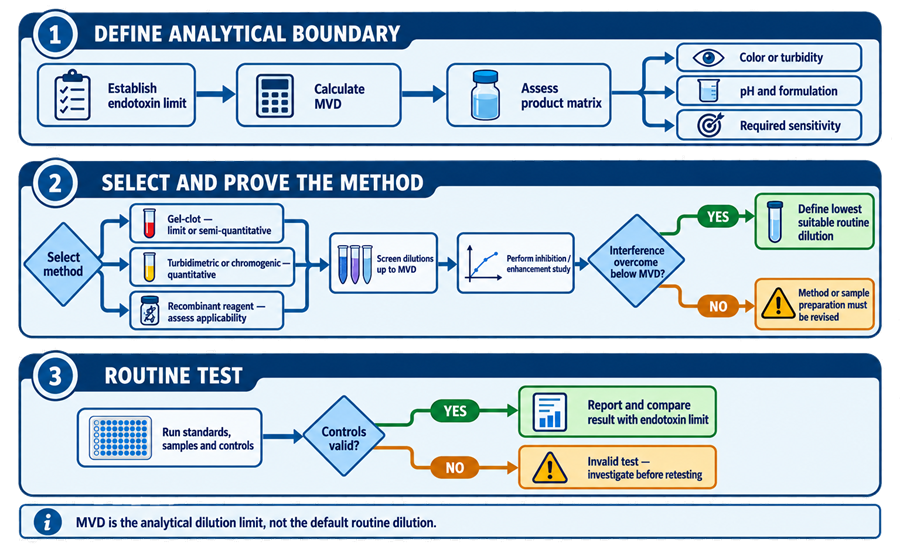
A quantitative method may be preferable for in-process monitoring and trending because it provides an actual measured result rather than only a pass/fail conclusion.
Gel-Clot Method
The gel-clot method determines whether endotoxin causes formation of a firm gel under defined conditions. After incubation, the tube is carefully inverted. A firm gel that remains intact is interpreted as a positive reaction. Absence of an intact gel is interpreted as negative.
Gel-clot testing may be performed as:
- A limit test
- A semi-quantitative assay
Advantages
- Simple reaction principle
- Limited instrumentation
- Direct compendial history
- Useful for limit testing
- Less affected by sample color than optical methods
- Compendial referee method unless otherwise specified
Limitations
- Visual endpoint
- Greater dependence on analyst technique
- Limited quantitative information
- Sensitivity to vibration and incubation conditions
- Potential effects from tube material and geometry
- Less useful for numerical trending
Gel-Clot Controls
The test design should include:
- Negative controls
- Positive endotoxin controls
- Product samples
- Product positive controls
- Verification of labeled reagent sensitivity, as required
For the inhibition/enhancement test, the endpoint obtained in the product matrix should remain within the compendially permitted range relative to the labeled reagent sensitivity. The study should demonstrate that the selected product dilution neither suppresses nor artificially increases the expected response.
Turbidimetric Methods
Turbidimetric methods measure increasing optical density as the endotoxin-activated reaction produces turbidity. Formats include:
- Endpoint turbidimetric
- Kinetic turbidimetric
Endpoint Turbidimetric
The reaction proceeds for a defined time, after which turbidity is measured. The result is determined by comparing the endpoint response with an endotoxin standard curve.
Kinetic Turbidimetric
The instrument continuously or repeatedly measures optical density. Endotoxin concentration is calculated from the time required to reach a predefined response threshold or from another validated kinetic measurement. Higher endotoxin concentrations generally produce a faster reaction and shorter time to the defined response.
Advantages
- Quantitative results
- Objective optical measurement
- Suitable for automation
- Useful for routine testing and trending
- Broad operating range, depending on the reagent system
Limitations
- Turbid products may interfere
- Precipitation may be misinterpreted as reaction turbidity
- Bubbles can affect optical readings
- Instrument temperature and optical performance are critical
- Qualified equipment and controlled software are required
Chromogenic Methods
Chromogenic methods measure color produced when the activated enzyme cleaves a synthetic substrate. Formats include:
- Endpoint chromogenic
- Kinetic chromogenic
Endpoint Chromogenic
The reaction proceeds for a defined interval and is then measured at a specified endpoint. Color intensity is related to endotoxin concentration. Timing, incubation temperature, mixing, and any stop-reagent step must be controlled because variation can change the measured response.
Kinetic Chromogenic
The instrument monitors color development over time. Endotoxin concentration is derived from the time required to reach a defined optical threshold or another validated kinetic response. Higher endotoxin concentrations generally reach the threshold faster than lower concentrations.
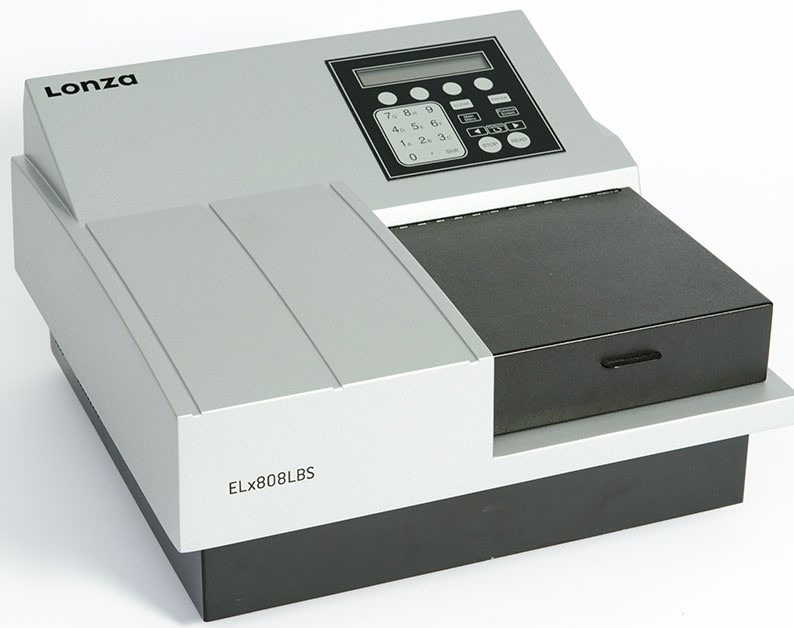
Kinetic chromogenic testing requires an instrument capable of maintaining the required incubation conditions and repeatedly measuring optical response throughout the reaction. The reader and its software determine the reaction time used to calculate endotoxin concentration.
Advantages
- Quantitative
- Sensitive
- Objective measurement
- Compatible with microplate systems
- Suitable for automated calculation and electronic records
- Useful for routine monitoring and trends
Limitations
- Colored products may interfere
- Turbidity or precipitation can affect absorbance
- Some formulations interact with the substrate or reaction
- Timing and incubation temperature require close control
- Instrument qualification and software controls are required
Retain KQCL-Lonza-Reader-1.png in this section.
The photograph provides useful context for the actual laboratory equipment used for kinetic testing.
Recombinant Reagent Methods
USP<86> describes methods using:
- Recombinant Factor C, or rFC
- Recombinant cascade reagent, or rCR
Recombinant Factor C
Endotoxin activates recombinant Factor C, which generates a measurable signal, commonly through cleavage of a fluorogenic substrate. Because the method does not reproduce the complete LAL clotting cascade, its reaction and detection system must be evaluated using the supplier’s validation information and product-specific verification data.
Recombinant Cascade Reagent
Recombinant cascade reagents contain recombinant versions of:
- Factor C
- Factor B
- Proclotting enzyme
The system reproduces more of the horseshoe-crab clotting cascade while avoiding animal-derived lysate.
Implementation Requirements
Implementation should include:
- Review of the supplier’s primary validation package
- Verification of intended analytical performance
- Product-specific method suitability
- Evaluation of accuracy, precision, sensitivity, specificity, and range, as applicable
- Assessment of equivalence or superiority where the method is used as an alternative
- Evaluation of regulatory filing commitments
- Change control
- Analyst training
- Instrument and software qualification
Recombinant methods should not be described merely as direct drop-in replacements. The required evidence depends on the applicable monograph, product filing, method status, matrix complexity, and intended use.
Comparison of BET Methods
| Attribute | Gel-clot | Turbidimetric | Chromogenic | Recombinant reagent |
|---|---|---|---|---|
| Principal response | Gel formation | Turbidity | Color development | Fluorescent, chromogenic, or other defined signal |
| Result | Limit or semi-quantitative | Quantitative | Quantitative | Quantitative |
| Measurement | Visual endpoint | Optical endpoint or kinetic | Optical endpoint or kinetic | Instrument-based |
| Standard curve | Not used for basic limit test | Required | Required | Required |
| Product-color concern | Generally lower | Matrix-dependent | Important | Detection-system dependent |
| Product-turbidity concern | Generally lower | Important | Can be important | Detection-system dependent |
| Automation | Limited | High | High | High |
| Electronic data | Limited unless recorded electronically | Common | Common | Common |
| Principal suitability question | Gel response in product matrix | Optical and reaction interference | Color and reaction interference | Matrix interference and intended-use verification |
| Compendial status | USP <85> | USP <85> | USP <85> | USP <86>; alternative unless otherwise made applicable |
Method selection should not be based on a general statement that one method is always more sensitive or reliable. Actual performance depends on reagent sensitivity, instrument configuration, product matrix, dilution, and demonstrated suitability.
Endotoxin Standards and Reagent Control
Quantitative and gel-clot methods require suitable endotoxin standards and controlled reagents. Standards may include:
- USP Endotoxin Reference Standard
- A Control Standard Endotoxin traceable to the applicable reference standard
A Control Standard Endotoxin is generally calibrated for use with a particular reagent lot. The laboratory should follow the applicable certificate, reagent instructions, and compendial requirements.
Controls should address:
- Standard identity
- Lot number
- Potency
- Reconstitution
- Mixing
- Storage
- Maximum use period
- Freeze-thaw restrictions
- Dilution preparation
- Reagent lot
- Reagent sensitivity
- Water or diluent suitability
- Traceability to test records
Endotoxin can adsorb to containers or become unevenly distributed. Preparation procedures should define suitable containers, mixing practices, preparation sequence, and allowable hold times.
Standard Curves
Quantitative turbidimetric, chromogenic, and recombinant methods determine sample concentration by comparison with a standard curve prepared from known endotoxin concentrations. The standard curve should:
- Cover the intended analytical range
- Include the required number of concentrations
- Include appropriate replicates
- Use standards prepared according to the controlled procedure
- Meet predefined correlation or regression criteria
- Produce responses in the correct direction
- Remain within the instrument and reagent operating range
For compendial quantitative BET methods, the absolute value of the correlation coefficient should meet the applicable USP acceptance criterion, commonly not less than 0.980. The direction of the standard curve depends on the analytical response being plotted. In a kinetic chromogenic assay based on reaction time, higher endotoxin concentrations reach the response threshold faster and therefore produce shorter reaction times.
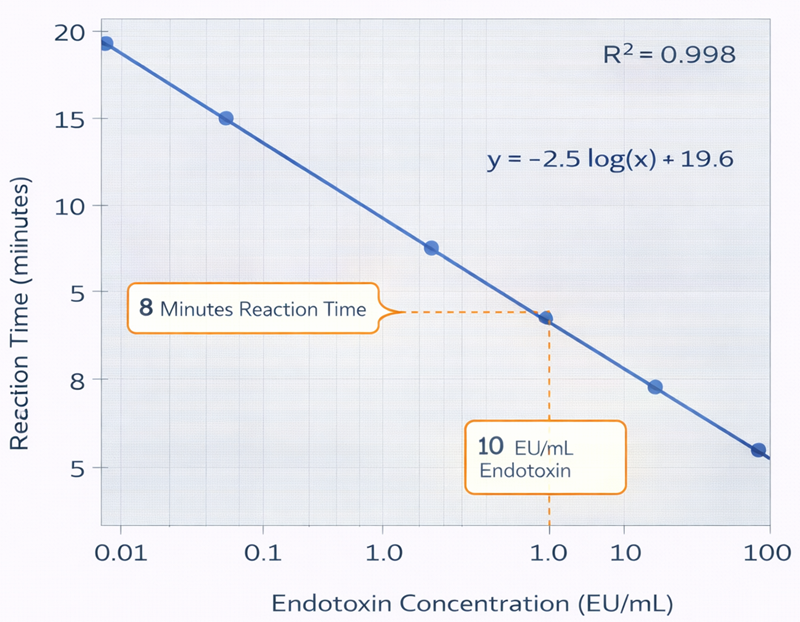
A passing correlation coefficient alone does not establish a valid curve. Review should also address:
- Standard preparation
- Replicate agreement
- Unexpected points
- Curve shape
- Response direction
- Back-calculated performance, where required
- Instrument flags
- Excluded data
- Manual reintegration or recalculation
- Compliance with the approved procedure
Product Positive Control
The product positive control, commonly abbreviated PPC, is the product sample spiked with a known amount of endotoxin. The PPC determines whether the product matrix:
- Inhibits the expected reaction
- Enhances the expected reaction
- Produces acceptable endotoxin recovery at the selected dilution
For quantitative methods, acceptable PPC recovery is generally 50%–200% under the compendial procedure.
PPC recovery may be calculated as:
PPC recovery (%) = [(spiked-sample result − unspiked-sample result) ÷ added endotoxin] × 100
The procedure should define how results below the quantitation limit, negative calculated differences, dilution factors, and replicate results are handled. A product result is not valid merely because it is below the endotoxin limit. The associated PPC and other required controls must also meet their acceptance criteria.
Method Suitability
Method suitability demonstrates that the selected BET method can detect endotoxin accurately in the specific product or material under the proposed test conditions. Suitability should be established for:
- Each product or scientifically justified product family
- The selected method
- Reagent type and source
- Sample preparation
- Test dilution
- Instrument configuration
- Product concentration
- Relevant formulation or matrix
The study should evaluate a range of dilutions up to, but not exceeding, the MVD. The preferred routine dilution is generally the lowest dilution that consistently overcomes interference while retaining useful analytical sensitivity.
Product-Family Grouping
Grouping products for suitability requires a scientific rationale. Relevant factors include:
- Formulation
- Active ingredient
- Excipients
- pH
- Protein concentration
- Preservatives
- Surfactants
- Chelating agents
- Product strength
- Sample preparation
- Endotoxin limit
- MVD
- Test method
A suitability result for one formulation should not automatically be applied to another product solely because both use the same manufacturing equipment or dosage form.
Suitability Study Outcome
The study should establish:
- Selected method
- Selected routine dilution
- MVD
- Sample preparation
- Interference-mitigation steps
- PPC concentration
- Control requirements
- Analytical range
- Replicate requirements
- Acceptance criteria
- Retest rules
- Conditions requiring reassessment
Inhibition and Enhancement
Inhibition reduces the expected endotoxin response and can produce falsely low or negative results.
Enhancement increases the expected response and can produce falsely elevated results.
Potential causes include:
- Extreme pH
- High or low ionic strength
- Chelating agents
- Proteins
- Enzymes
- Surfactants
- Preservatives
- Organic solvents
- High viscosity
- Product color
- Turbidity
- Particulates
- Endotoxin adsorption
- Container interaction
- Precipitation
- Inadequate mixing
- Sample instability
Dilution is the preferred initial approach when it overcomes interference without exceeding the MVD. Other treatments may include:
- pH adjustment
- Addition of a suitable buffer
- Controlled heating
- Centrifugation
- Filtration
- Digestion
- Other validated preparation procedures
Any treatment must be demonstrated not to remove, destroy, introduce, or mask endotoxin in a manner that invalidates the test.
Sample Collection and Handling
The ability to detect endotoxin can change during sampling, storage, preparation, and testing. The procedure should define:
- Sampling location
- Sampling container
- Required sample volume
- Container depyrogenation or endotoxin-control status
- Mixing before sampling
- Protection from contamination
- Storage temperature
- Maximum storage time
- Freeze-thaw conditions
- Thawing procedure
- Mixing before analysis
- Diluent
- Sample preparation
- Test completion time
FDA recommends that sample-storage and handling procedures be supported by laboratory data demonstrating stability of assayable endotoxin under the proposed conditions.
Purified standard endotoxin used in a study may not behave identically to naturally occurring endotoxin in a product matrix. Stability and recovery studies should therefore reflect the actual product and intended procedure as closely as practical.
Adsorption and Low-Level Samples
At low concentrations, adsorption to glass or plastic surfaces can materially reduce recoverable endotoxin. Controls may include:
- Qualified labware
- Defined container material
- Minimized transfers
- Controlled mixing
- Defined sample volume
- Defined contact time
- Prompt testing
- Recovery studies
Low-binding materials should not be assumed suitable without supporting data.
Pooling
Pooling can dilute an individual contaminated unit with lower-result units. Where finished-product units are pooled:
- The pooling rationale must be documented.
- Equal-volume aliquots should be used where applicable.
- Samples should be mixed according to the procedure.
- The adjusted MVD must be calculated.
- Individual units should remain available for possible investigation or retesting.
- Products with low MVD or homogeneity concerns may require individual testing.
FDA states that for pooled small-volume parenteral samples, the adjusted MVD is obtained by dividing the individual-sample MVD by the number of units pooled. FDA generally suggests no more than three units in such a composite.
Suspensions and other nonhomogeneous products may be unsuitable for pooling.
Routine Test Execution
A routine quantitative BET run normally includes:
- Endotoxin standards
- Reagent-water negative controls
- Product samples
- Product positive controls
- Required replicates
- Instrument and incubation records
- Standard-curve evaluation
- PPC recovery evaluation
- Sample-result calculation
- Dilution-factor correction
- Comparison with the endotoxin limit
- Review of flags, exclusions, and manual actions
A routine gel-clot run includes the applicable negative controls, positive controls, product solutions, product positive controls, and interpretation requirements defined by the approved method.
The reportable result must account for all sample dilutions and preparation factors.
Valid, Invalid, and Out-of-Specification Results
These classifications must remain distinct.
Valid Passing Test
A test is valid and passing when:
- Standards and controls meet acceptance criteria.
- PPC recovery or gel-clot suitability is acceptable.
- Replicate requirements are met.
- Instrument and incubation conditions are acceptable.
- The calculated product result meets its endotoxin limit.
- No unexplained event compromises the result.
Invalid Test
A test may be invalid when a predefined validity requirement fails, such as:
- Invalid standard curve
- Failed negative control
- Unacceptable PPC recovery
- Instrument malfunction
- Incubation-temperature excursion
- Documented preparation error
- Contamination of controls
- Unresolved data loss
- Failure to follow the approved procedure
An invalid test requires a documented investigation. It must not be treated as though no testing occurred.
Valid Out-of-Specification Result
A result is OOS when:
- The test system is valid, and
- The calculated endotoxin result exceeds the applicable specification.
A valid OOS result cannot be invalidated solely because a repeat test passes.
Conflicting Gel-Clot Results
FDA directs firms to follow USP <85> interpretation requirements when conflicting gel-clot results occur.
If a failure occurs below the MVD, the test may be repeated at a greater dilution that does not exceed the MVD, provided this approach is predefined in an approved procedure and the original result remains part of the laboratory record.
If a valid OOS result occurs at the MVD and cannot be attributed to laboratory error, FDA states that the lot should be rejected.
Investigation of Atypical or OOS Results
The investigation should evaluate both laboratory execution and the manufacturing process.
Laboratory Review
Evaluate:
- Calculations
- Sample identity
- Sample preparation
- Dilution sequence
- Standard preparation
- Reagent and standard lots
- Expiration dates
- Mixing
- Pipetting
- Incubation
- Instrument performance
- Software processing
- PPC recovery
- Negative controls
- Standard curve
- Analyst technique
- Labware
- Sample storage and hold time
- Data exclusions or manual changes
- Similar results from other tests
Manufacturing Review
Evaluate:
- Raw materials
- Water-system results
- Bioburden
- Process hold times
- Wet equipment
- Cleaning and rinsing
- Filter operations
- Equipment assembly
- Container and closure preparation
- Depyrogenation
- Environmental or handling events
- Sampling practices
- Batch history
- Related lots
- Endotoxin trends
- Recent maintenance or changes
The investigation should determine whether the result represents:
- Laboratory error
- Sample-handling failure
- Method interference
- Contamination during testing
- Nonrepresentative sampling
- Actual product or process contamination
- Broader system deterioration
Retesting should answer a defined investigation question. Repeated testing until a passing result is obtained is unacceptable.
Changes Requiring Suitability Reassessment
Method suitability should be reassessed following changes that can affect endotoxin recovery or test response, including:
- Product formulation
- Product strength
- pH
- Excipient supplier
- Preservative
- Surfactant
- Sample preparation
- Routine dilution
- Endotoxin limit
- Maximum dose
- Reagent type
- Reagent manufacturer
- LAL-to-recombinant transition
- Instrument
- Software
- Plate or tube type
- Diluent
- Buffer
- Storage conditions
- Pooling strategy
- Extraction procedure
- Applicable monograph or regulatory commitment
The scope may range from a documented technical assessment to partial verification or full method revalidation.
Instrument and Data Controls
Quantitative BET systems may integrate:
- Incubation
- Optical or fluorescence measurement
- Standard-curve generation
- Sample calculations
- PPC recovery
- Result reporting
- Electronic records
- User access
- Audit trails
Automated BET platforms may combine sample incubation, optical measurement, standard-curve generation, result calculation, control evaluation, and electronic record management. Automation reduces certain manual operations but introduces software, configuration, access-control, audit-trail, interface, backup, and data-review requirements.
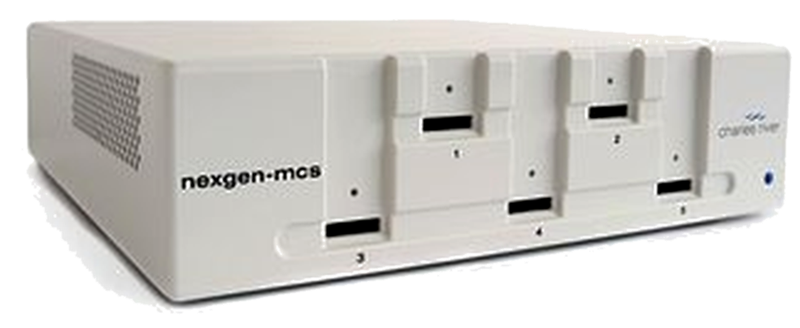
The system must be qualified for its intended use and controlled throughout its lifecycle. Detailed requirements are addressed in Endotoxin Testing Systems: Qualification, Software, and Data Integrity.
Documentation
The controlled method and test record should include:
- Product and sample identity
- Applicable endotoxin limit
- Limit calculation
- MVD calculation
- Selected method
- Reagent and standard identification
- Instrument identification
- Approved dilution
- Sample preparation
- Storage and hold time
- Standard concentrations
- Controls
- Raw responses
- Standard-curve results
- PPC recovery
- Replicate results
- Dilution correction
- Final result
- Specification comparison
- Invalid-test assessment
- Deviations
- Investigation references
- Analyst and reviewer approval
The calculation record should permit an independent reviewer to reconstruct the reported result from the raw data.
Core Testing Principle
A reportable BET result is supported by four connected elements:
- A correct product-specific endotoxin limit
- A test dilution that does not exceed the MVD
- A method shown to be suitable for the product matrix
- A valid analytical run with acceptable standards and controls
A result below the specification is not meaningful when the product was over-diluted, the PPC failed, the standard curve was invalid, or sample handling compromised endotoxin recovery.